

By John Paul Liang, Ph.D., MSOM, L.Ac.
Cancer treatments like chemotherapy and radiation are life-saving, but they can also be physically and emotionally taxing. Many patients experience side effects such as fatigue, nausea, neuropathy, brain fog, and digestive issues. Fortunately, acupuncture has emerged as a proven complementary therapy to help manage these symptoms and improve overall quality of life.
What Is Acupuncture?
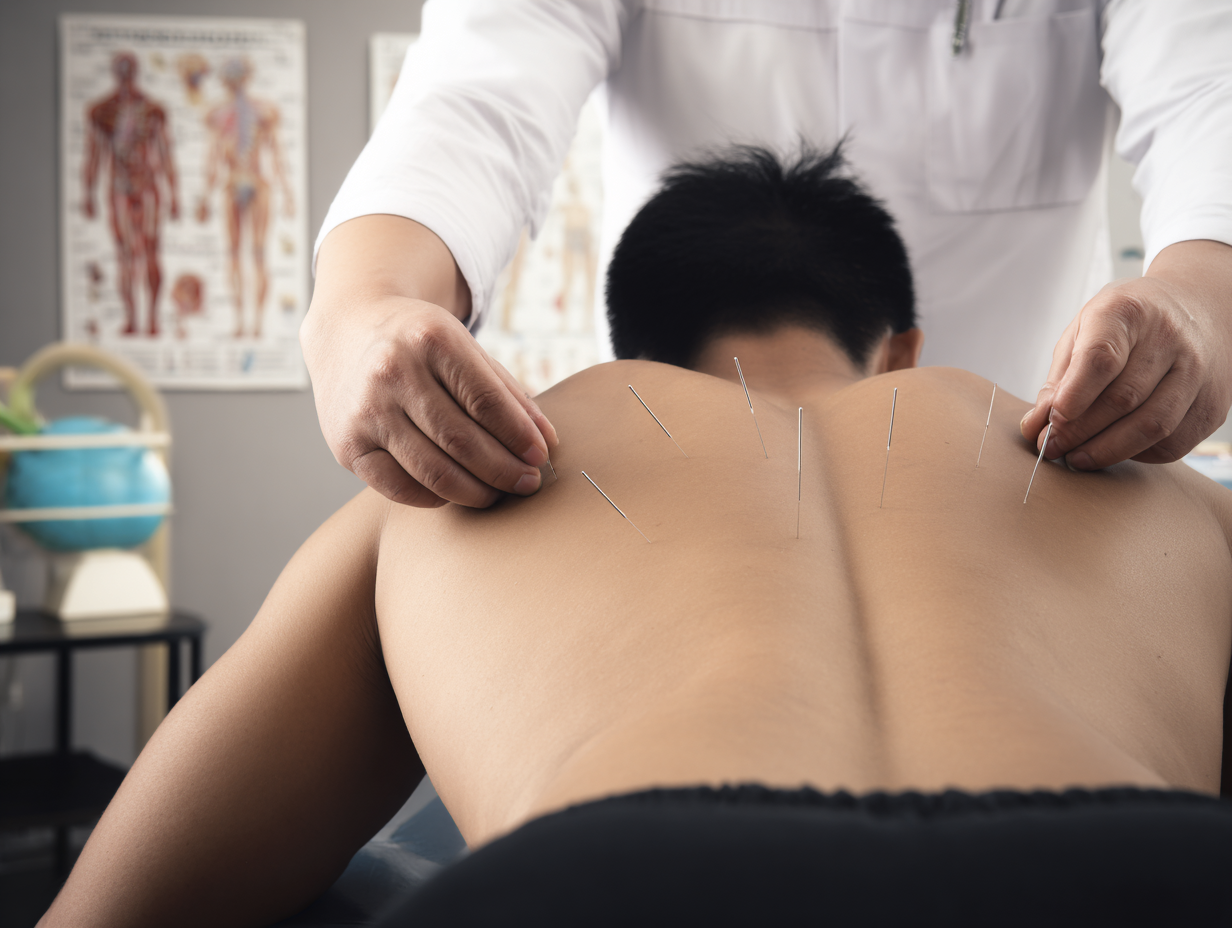
Acupuncture is a key modality of Traditional Chinese Medicine (TCM). It involves the insertion of ultra-fine needles into specific points on the body to regulate the flow of energy, or “Qi.” This helps the body restore balance, reduce inflammation, and activate its natural healing response. For cancer patients, acupuncture doesn’t treat the cancer itself—it helps ease the side effects of treatment and supports the body’s resilience.
How Acupuncture Helps Cancer Patients
- Reduces Nausea and Vomiting
Acupuncture at points like P6 (Neiguan) is widely used to relieve chemotherapy-induced nausea and vomiting. Studies show that it can significantly reduce both the frequency and severity of these symptoms, sometimes working better than medications alone. - Eases Neuropathy and Pain
Chemotherapy and radiation often lead to peripheral neuropathy—pain, tingling, or numbness in the hands and feet. Acupuncture enhances blood flow, modulates nerve signals, and decreases inflammation, offering natural pain relief and improved nerve function. - Alleviates Cancer-Related Fatigue
Fatigue is one of the most common and disruptive effects of cancer treatment. Regular acupuncture can support adrenal balance, improve mitochondrial energy production, and restore natural energy levels. - Supports Cognitive Function and Emotional Well-being
“Chemo brain,” insomnia, and anxiety can be challenging to manage. Acupuncture helps calm the nervous system, improve sleep quality, and enhance mental clarity all of which contribute to emotional stability and better focus. - Improves Digestion and Appetite
TCM identifies the digestive system, especially the Spleen and Stomach, as central to healing. Acupuncture can strengthen these organs, reduce nausea, and stimulate a healthy appetite during and after cancer treatment.
About the Author
Expert Care at Acupuncture Care Houston
John Paul Liang, Ph.D., M.S.O.M., L.Ac. has over 25 years of clinical experience in acupuncture and works at Acupuncture Care. His work includes collaborations with Houston Methodist Hospital and other respected institutions. Dr. Liang combines traditional techniques with a deep understanding of cancer care, offering individualized treatment plans to support each patient’s unique healing process.
📍 To learn more or book a session, please call 713-622-8881 or visit: www.acupuncturecarehouston.net