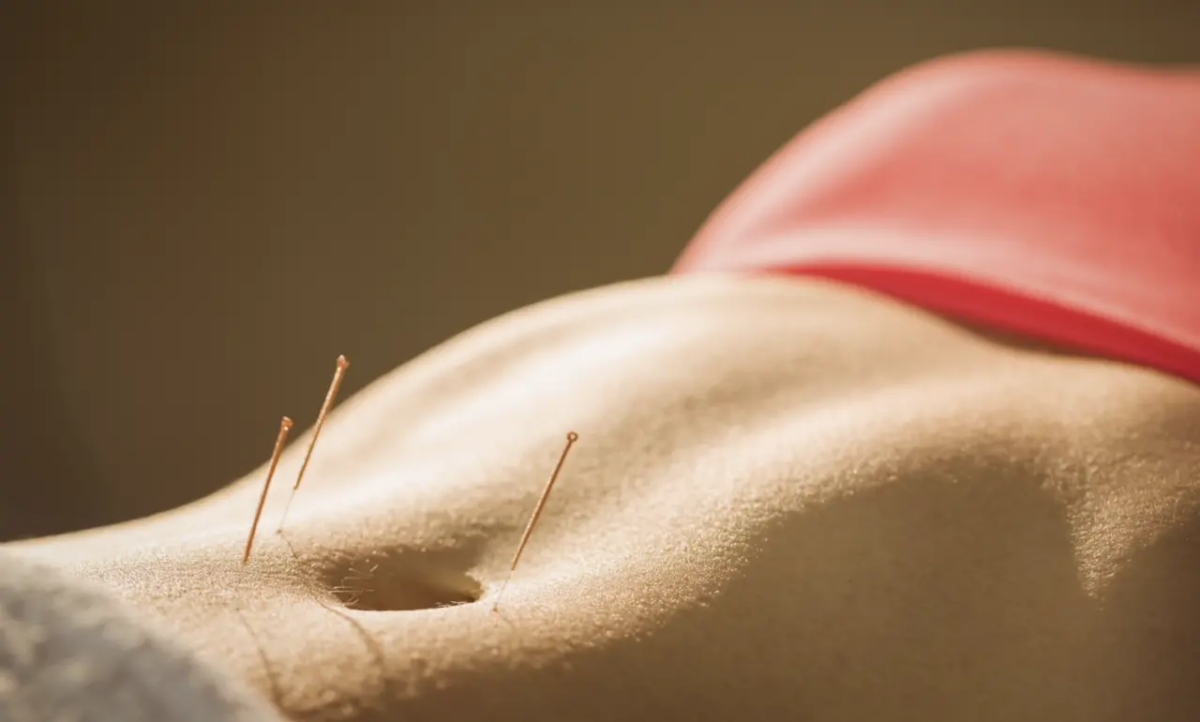

How Acupuncture Helps Back Pain

By: Annie Vy Dang, DACM, L.Ac.

Back pain is one of the most common reasons people seek medical help, and one of the most frustrating to treat. Whether it’s a dull ache, sharp spasm, or chronic stiffness, living with back pain can affect every part of your day, from sleep to work to simple movement.

Research continues to validate what practitioners of Chinese medicine have known for centuries. Acupuncture has been shown to significantly reduce both acute and chronic low back pain. Clinical studies, including those published in journals like Pain Medicine and Cochrane Reviews, report that acupuncture outperforms placebo treatments and often matches or surpasses physical therapy in effectiveness. Better yet, it carries far fewer risks than pharmaceutical painkillers and anti-inflammatories.

Acupuncture stimulates specific points along the body’s meridians to release endorphins, modulate nerve signals, and reduce inflammation. It also improves blood flow to injured or tight areas, supporting the body’s own healing processes. Patients often report rapid results. Some feel immediate relief after their first session; others experience steady improvement over a few weeks.

Many patients find that with consistent care, they’re able to reduce or eliminate their reliance on pain medications altogether. Even more importantly, they gain insight into how their posture, movement patterns, stress levels, and nutrition contribute to recurring pain—empowering them to take control of their health in a sustainable way.

About the Author

Dr. Annie Dang is a Director of Kassandra Wellness Group and the founder of Resilient Oriental Medicine in Spring, TX. At Resilient Oriental Medicine, Dr. Annie Dang offers a natural and effective solution: acupuncture, supported by cupping, herbal medicine, and food therapy. With a Doctorate in Acupuncture & Chinese Medicine and a strong focus on pain management and sports medicine, Dr. Dang has helped countless patients find lasting relief—especially those who didn’t respond to conventional treatments. You can learn more or schedule an appointment with Dr. Annie Dang at https://www.resilientorientalmedicine.com.

How Acupuncture Can Relieve PMS

By Michelle Iwama, MAOM, L.Ac.

PMS, premenstrual syndrome, is more than just a monthly annoyance. For many women, it’s a cascade of physical discomfort and emotional instability: bloating, fatigue, mood swings, cramps, anxiety, food cravings, and breast tenderness, often lasting days or even weeks before menstruation. These symptoms can disrupt daily life, relationships, and productivity.

From the perspective of Traditional Chinese Medicine (TCM), PMS often stems from stagnant Liver Qi, spleen deficiency, and blood stasis, all patterns that lead to emotional tension, pain, and fluid retention. Acupuncture helps smooth the flow of Qi and blood throughout the body, calms the spirit, and regulates hormonal function naturally.

Modern research supports what centuries of traditional practice have observed. A 2018 meta-analysis published in BMJ Open found that acupuncture significantly reduced PMS symptoms, including mood swings, cramps, and irritability, when compared to placebo, medications, and other interventions (Yang et al., 2018). Women receiving acupuncture were more likely to experience symptom relief with fewer side effects.

Another review in PLOS ONE showed that acupuncture can reduce anxiety, depression, and stress levels associated with PMS by modulating endorphins and serotonin levels, offering biochemical support for what many patients report anecdotally: they feel calmer, more stable, and more emotionally resilient after treatments (Armour et al., 2013).

Beyond mood-related symptoms, acupuncture also appears to influence the endocrine system. A 2019 review in Complementary Therapies in Medicine confirmed that acupuncture can help regulate menstrual cycles and support hormone balance, particularly for women experiencing irregular periods, spotting, or painful cramps (Smith et al., 2019). Another study published in the Journal of Obstetrics and Gynaecology Research found that acupuncture improves uterine and ovarian blood flow, helping ease pelvic pain and support overall reproductive health (Gao et al., 2013).

With acupuncture, patients frequently share that their cycles become more predictable and less painful, with fewer emotional lows and less need for over-the-counter medications. Many also find that sleep, digestion, and energy improve as their hormones begin to rebalance. If PMS symptoms are interfering with your life, acupuncture offers a time-tested, science-backed path toward balance.

About the Author

Michelle Iwama is a licensed acupuncturist and founder of Ardent Acupuncture in Houston, TX. She is also an Executive Director of Kassandra Wellness Group. At Ardent Acupuncture in Houston, Michelle Iwama helps women move through PMS by using acupuncture as a gentle yet powerful way to balance the body and soothe the nervous system. Drawing from her background in East Asian medicine and functional nutrition, she takes a holistic and personalized approach to cycle health. You can learn more or book a session at https://www.ardentacupuncture.com.

How Acupuncture Supports Infertility: An Integrative Approach

By: Tiffany Kristensen, DACM, L.Ac.

Infertility affects millions of individuals and couples worldwide, presenting a complex challenge that often requires a multifaceted approach. Acupuncture, a key component of Traditional Chinese Medicine (TCM), has gained increasing recognition as a complementary therapy that can improve fertility outcomes by addressing both physical and emotional factors.

Understanding Infertility Through Traditional Chinese Medicine

In TCM, infertility is viewed as a manifestation of imbalances within the body’s vital energy, or Qi, and its supporting systems—primarily the Kidneys, Liver, and Spleen. These organ systems play crucial roles in reproductive health: the Kidneys govern reproductive essence and hormonal balance, the Liver ensures smooth flow of Qi and blood, and the Spleen is responsible for nourishing blood and maintaining overall vitality. When these systems are out of harmony, issues such as irregular ovulation, poor egg quality, uterine lining problems, or disrupted menstrual cycles may arise.

Acupuncture aims to restore balance by stimulating specific points along the body’s meridians to regulate Qi and blood flow, reduce inflammation, and support hormonal function. By harmonizing these pathways, acupuncture helps create an optimal environment for conception.

Evidence from Clinical Research

Modern studies support the traditional use of acupuncture for fertility enhancement. One notable study published in Fertility and Sterility demonstrated that women undergoing in vitro fertilization (IVF) who received acupuncture on the day of embryo transfer had significantly higher pregnancy rates compared to those who did not receive acupuncture (Paulus et al., 2002).

A meta-analysis published in the British Medical Journal (BMJ) found that acupuncture improved clinical pregnancy and live birth rates in women experiencing infertility when compared to no treatment or sham acupuncture (Manheimer et al., 2013). These results suggest that acupuncture may positively influence reproductive outcomes beyond placebo effects.

Research indicates that acupuncture’s benefits may stem from its ability to reduce stress and anxiety by modulating the autonomic nervous system and lowering cortisol levels. Additionally, acupuncture increases blood flow to the uterus and ovaries, enhancing endometrial receptivity and follicular development (Zhao et al., 2014). It may also regulate the hypothalamic-pituitary-ovarian axis, thereby improving hormonal balance crucial for ovulation and implantation.

How Acupuncture Supports Specific Fertility Challenges

  • Irregular Ovulation: Acupuncture can help normalize menstrual cycles by promoting endocrine balance and reducing systemic stress, facilitating regular ovulation.
  • Polycystic Ovary Syndrome (PCOS): Studies have shown acupuncture improves insulin sensitivity and reduces androgen levels in women with PCOS, contributing to improved ovulatory function (Stener-Victorin et al., 2009).
  • Unexplained Infertility: In cases where conventional tests show no clear cause, acupuncture may address subtle imbalances in Qi and blood circulation that affect fertility.
  • Male Factor Infertility: Acupuncture has demonstrated efficacy in improving sperm count, motility, and morphology, offering a supportive therapy for male infertility.

What to Expect from Acupuncture Treatment for Fertility

Treatment plans are typically individualized and may involve weekly acupuncture sessions tailored to the patient’s menstrual cycle phase and fertility goals. Acupuncture is usually well tolerated, with minimal side effects when performed by licensed practitioners using sterile, single-use needles.

Patients may also receive adjunct therapies such as herbal medicine, lifestyle counseling, and nutritional guidance to support overall reproductive health. Many practitioners integrate mind-body techniques to reduce stress and promote emotional well-being, recognizing the important role that psychological factors play in fertility.

Conclusion

Acupuncture presents a safe, evidence-based, and holistic option for individuals facing infertility. By addressing physiological imbalances, enhancing blood flow, and reducing stress, acupuncture helps optimize the body’s reproductive environment. While it may not be a standalone cure, acupuncture is increasingly recognized as a valuable complementary therapy alongside conventional fertility treatments.

Individuals interested in exploring acupuncture for infertility are encouraged to consult with qualified, licensed practitioners experienced in reproductive health to develop a personalized treatment plan.

About the Author

Tiffany Kristensen, DACM, L.Ac. is the founder of Vibe Holistic Healing, The Woodlands, TX and an Executive Director of Kassandra Wellness Group. She applies a comprehensive, holistic approach to treating patients, including acupuncture, herbs, supplements, red light therapy, Pulse Electro Magnetic Therapy (PEMF), meditation and other modalities. For more information or to schedule an appointment, please visit vibeholistichealing.com.


References:

  • Paulus, W. E., Zhang, M., Strehler, E., El-Danasouri, I., & Sterzik, K. (2002). Influence of acupuncture on the pregnancy rate in patients who undergo assisted reproduction therapy. Fertility and Sterility, 77(4), 721-724. https://doi.org/10.1016/S0015-0282(02)02119-6
  • Manheimer, E., Zhang, G., Udoff, L., Haramati, A., Langenberg, P., Berman, B. M., & Bouter, L. M. (2013). Effects of acupuncture on rates of clinical pregnancy among women undergoing in vitro fertilisation: systematic review and meta-analysis. BMJ, 336(7643), 545-549. https://doi.org/10.1136/bmj.39466.425451.BE
  • Zhao, K., Zhang, Q., & Zhang, J. (2014). Acupuncture improves uterine and ovarian blood flow in infertile women: A meta-analysis. Evidence-Based Complementary and Alternative Medicine, 2014, 1-9. https://doi.org/10.1155/2014/261951
  • Stener-Victorin, E., Waldenström, U., & Lundeberg, T. (2009). Acupuncture for polycystic ovary syndrome. Cochrane Database of Systematic Reviews, (3). https://doi.org/10.1002/14651858.CD007689.pub2

Easing the Side Effects of Chemotherapy and Radiation with Acupuncture

By John Paul Liang, Ph.D., MSOM, L.Ac.

Cancer treatments like chemotherapy and radiation are life-saving, but they can also be physically and emotionally taxing. Many patients experience side effects such as fatigue, nausea, neuropathy, brain fog, and digestive issues. Fortunately, acupuncture has emerged as a proven complementary therapy to help manage these symptoms and improve overall quality of life.

What Is Acupuncture?

Acupuncture is a key modality of Traditional Chinese Medicine (TCM). It involves the insertion of ultra-fine needles into specific points on the body to regulate the flow of energy, or “Qi.” This helps the body restore balance, reduce inflammation, and activate its natural healing response. For cancer patients, acupuncture doesn’t treat the cancer itself—it helps ease the side effects of treatment and supports the body’s resilience.

How Acupuncture Helps Cancer Patients

  • Reduces Nausea and Vomiting
    Acupuncture at points like P6 (Neiguan) is widely used to relieve chemotherapy-induced nausea and vomiting. Studies show that it can significantly reduce both the frequency and severity of these symptoms, sometimes working better than medications alone.
  • Eases Neuropathy and Pain
    Chemotherapy and radiation often lead to peripheral neuropathy—pain, tingling, or numbness in the hands and feet. Acupuncture enhances blood flow, modulates nerve signals, and decreases inflammation, offering natural pain relief and improved nerve function.
  • Alleviates Cancer-Related Fatigue
    Fatigue is one of the most common and disruptive effects of cancer treatment. Regular acupuncture can support adrenal balance, improve mitochondrial energy production, and restore natural energy levels.
  • Supports Cognitive Function and Emotional Well-being
    “Chemo brain,” insomnia, and anxiety can be challenging to manage. Acupuncture helps calm the nervous system, improve sleep quality, and enhance mental clarity all of which contribute to emotional stability and better focus.
  • Improves Digestion and Appetite
    TCM identifies the digestive system, especially the Spleen and Stomach, as central to healing. Acupuncture can strengthen these organs, reduce nausea, and stimulate a healthy appetite during and after cancer treatment.

About the Author

Expert Care at Acupuncture Care Houston

John Paul Liang, Ph.D., M.S.O.M., L.Ac. has over 25 years of clinical experience in acupuncture and works at Acupuncture Care.  His work includes collaborations with Houston Methodist Hospital and other respected institutions.  Dr. Liang combines traditional techniques with a deep understanding of cancer care, offering individualized treatment plans to support each patient’s unique healing process.

📍 To learn more or book a session, please call 713-622-8881 or visit: www.acupuncturecarehouston.net

Understanding the Benefits of Acupuncture in Women’s Health

Acupuncture has been practiced for thousands of years, but many women are still unaware of the various health benefits it can offer. From menopause to PMS, acupuncture can play a key role in improving overall well-being. In this blog, we will explore how acupuncture can aid in women’s health, unraveling the mysteries behind this ancient therapy and its modern applications.

What is Acupuncture?

Acupuncture is an ancient Chinese medicine practice that involves inserting thin needles into specific points on the body to balance the body’s energy flow, known as qi. This process is believed to stimulate the body’s natural healing abilities and promote physical and emotional well-being.

The fundamental principle behind acupuncture is the concept of balancing yin and yang, which are opposing forces within the body. Acupuncture aims to remove any blockages that may disrupt the flow of qi and thus restore harmony. Although it has ancient origins, the practice has evolved, integrating modern techniques to optimize its effectiveness. It is a holistic approach to health, considering the body as an interconnected system rather than focusing solely on symptoms or a specific illness.

The Science Behind Acupuncture

Modern research suggests that acupuncture works by stimulating nerves, muscles, and connective tissue, increasing blood flow, and triggering the release of the body’s natural painkillers. These mechanisms help explain why acupuncture is effective in treating various conditions, especially those affecting women.

A key factor in acupuncture’s success is its ability to encourage the release of endorphins, which are the body’s natural painkillers. This can provide relief from chronic pain and improve mood by reducing stress and anxiety levels. Furthermore, studies have shown that acupuncture can influence the autonomic nervous system, which regulates vital functions such as heartbeat and digestion. By improving the body’s overall regulation, acupuncture can support the health and functioning of multiple systems simultaneously.

In addition to pain management, acupuncture is known for its anti-inflammatory properties. It can help reduce inflammation, which is often a significant factor in many chronic conditions. By promoting better blood circulation and reducing pressure on affected areas, acupuncture can speed healing and enhance recovery in conditions such as arthritis. For women specifically, these effects can translate into relief from menstrual cramps, endometriosis pain, and other gynecological issues.

Acupuncture for Menopause

Menopause can bring about a range of symptoms such as hot flashes, night sweats, mood swings, and sleep disturbances. Acupuncture can help manage these symptoms by harmonizing the body’s energy, reducing stress, and promoting hormonal balance.

Research supports the efficacy of acupuncture in alleviating menopausal symptoms. By targeting specific points that influence the endocrine system, acupuncture can help mitigate the hormonal fluctuations that cause menopause-related discomfort. Many women report a significant reduction in the frequency and severity of hot flashes and night sweats after starting acupuncture treatments. Moreover, improved hormone regulation can also lead to better sleep quality, reducing insomnia and enhancing overall well-being.

Another significant benefit of acupuncture in menopause is its positive impact on mood and mental health. The hormonal changes during menopause can lead to mood swings, anxiety, and depression. Acupuncture provides a natural and non-invasive way to manage these symptoms, often resulting in a more balanced emotional state. For more information about holistic approaches to women’s health, consider exploring our services at Kassandra Wellness Group.

Managing PMS with Acupuncture

Premenstrual Syndrome (PMS) affects many women, leading to symptoms like cramps, bloating, irritability, and fatigue. Acupuncture has shown great promise in alleviating these symptoms by improving blood circulation, reducing inflammation, and balancing hormones.

“One of the most appreciated benefits of acupuncture for PMS is its ability to ease menstrual cramps”, states Kassandra Wellness practitioner Dr. Taylor Roy from Healing Path Acupuncture. “By targeting specific points associated with the reproductive system, acupuncture can help relax muscle tension and relieve pain, and enhanced blood flow to the pelvic area can also reduce bloating and abdominal discomfort. This holistic approach ensures that multiple PMS symptoms are addressed simultaneously, providing comprehensive relief and improving overall quality of life.”

Another advantage of acupuncture in managing PMS is its role in hormone regulation. Fluctuating hormone levels often contribute to symptoms such as mood swings, irritability, and fatigue. Acupuncture stimulates the body’s endocrine system, promoting a more balanced hormone production. This can lead to more stable moods and increased energy levels throughout the menstrual cycle, making it easier to maintain daily activities.

For women experiencing severe PMS, acupuncture offers a viable alternative to medication. It is a natural and drug-free option that can reduce the dependency on painkillers or hormonal treatments. Regular acupuncture sessions can help maintain hormonal balance and reduce the intensity of PMS symptoms over time, contributing to long-term well-being.

Acupuncture for Fertility and Pregnancy Support

Acupuncture is increasingly being used to support fertility treatments and pregnancy. It can help improve blood flow to the reproductive organs, regulate menstrual cycles, and reduce stress, thus enhancing the chances of conception and supporting a healthy pregnancy.

For women undergoing fertility treatments such as IVF, acupuncture can be a valuable complementary therapy. By promoting better blood flow to the uterus and ovaries, acupuncture can create a more favorable environment for conception. It can also help regulate hormone levels, improving the chances of successful implantation. The stress-reducing effects of acupuncture are particularly beneficial, as stress can negatively impact fertility by disrupting hormonal balance.

For pregnant women, acupuncture can provide relief from various discomforts associated with pregnancy. Common issues such as morning sickness, back pain, and pelvic discomfort can be alleviated through specific acupuncture points. After delivery, acupuncture can also support postpartum recovery, helping to increase milk production, soothe pain, and address emotional health issues such as postpartum depression.

Safety and Considerations

Acupuncture is generally considered safe when performed by a qualified practitioner. However, it is essential to consult with your healthcare provider and a licensed acupuncturist to discuss any underlying health conditions or concerns before starting treatment.

It is important to ensure that the acupuncturist you choose is licensed and well-trained, as this ensures the highest standards of safety and efficacy. Sterilized needles and proper techniques are crucial in preventing infections and other complications. At Kassandra Wellness Group, our experienced practitioners are dedicated to providing safe and effective care tailored to your unique needs.

While acupuncture is a beneficial therapy, it is not a substitute for conventional medical treatment. It is best used as a complementary approach, working alongside other medical treatments to enhance overall health and well-being. Communicating openly with your healthcare team about your acupuncture treatments can ensure a coordinated approach to your health care, maximizing the benefits of both conventional and alternative therapies.

Embrace the Healing Power of Acupuncture

Acupuncture is a valuable and versatile tool for promoting women’s health. Whether you are dealing with menopause, PMS, or simply looking to improve your overall well-being, acupuncture offers a natural and effective solution. By understanding and embracing this ancient practice, women can find relief and balance in their lives. Consider consulting with a licensed acupuncturist to see how this therapy can benefit you.

Start Your 100% FREE Organ Analysis Now

Begin your Free Organ Analysis to gain valuable insights into your organ health. Enter your name and email below to proceed.

By providing your contact information, you are giving consent to Kassandra Wellness Group and its affiliates to contact you through various means.

Submit An Appointment Request With Our Expert Practitioners Now

Enter your name and email below now to view our practitioners, their specialties and submit your appointment request. 

By providing your contact information, you are giving consent to Kassandra Wellness Group and its affiliates to contact you through various means.